
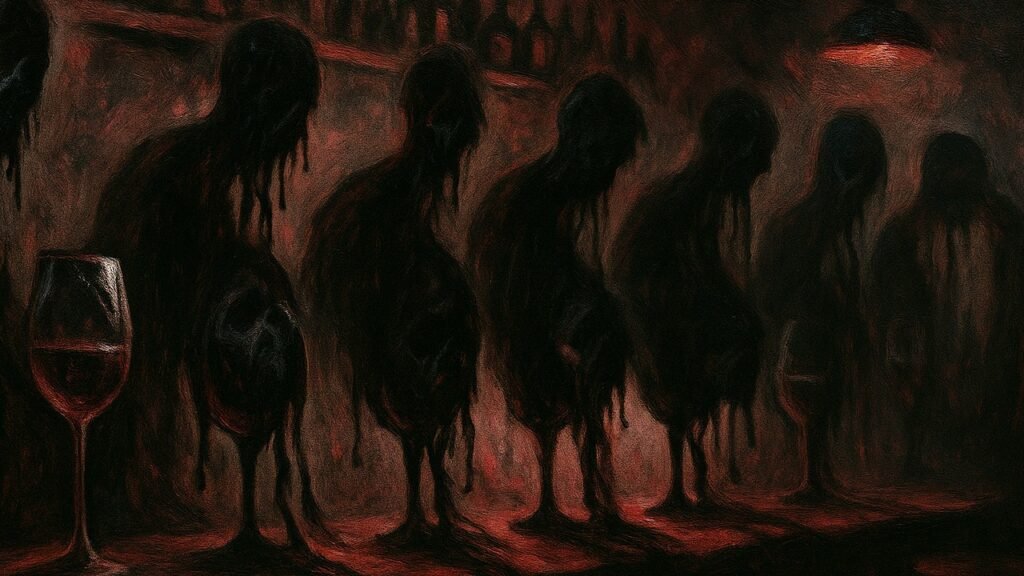
You don’t need a sleep lab to notice it: a few drinks before bed, and suddenly you’re having bad dreams, and they’re more vivid and stranger than ever. Science backs this up.
Alcohol alters sleep architecture, that’s the technical term for the stages and cycles your brain moves through at night. Normally, you cycle through light sleep, deep slow-wave sleep, and REM (rapid eye movement) about every 90 minutes.
REM is where dreams bloom. Alcohol suppresses REM early in the night, then rebounds later, which means your brain crams in extra dream activity during the second half of sleep. The unwelcome result is a night of vivid, often chaotic dreams.
Neurochemistry plays a role too. Ethanol (the active ingredient in alcohol) interacts with GABA receptors, dampening neural activity, while simultaneously disrupting serotonin and norepinephrine, neurotransmitters that regulate mood and dream tone.
Then there’s cortisol, the stress hormone, which spikes as alcohol metabolizes, which can fuel restless sleep and nightmare imagery.
EEG studies show fragmented brainwave patterns, with REM stages shortened and then exaggerated.
That’s why people often wake up remembering bizarre dream fragments after drinking.
What Are the Two Most Common Triggers for Nightmares?
Nightmares aren’t just about booze (which intensifies the dream, yes). The two most common triggers are stress and sleep disruption.
Stress activates the amygdala, the brain’s fear center, which colors dream content with anxiety, conflict, or threat. Sleep disruption, whether from jet lag, insomnia, or alcohol, fragments REM cycles.
When REM is chopped up, the brain struggles to process emotions smoothly, and nightmares slip in.
And here’s the kicker: stress and sleep disruption often feed each other. You’re stressed, so you sleep badly. You sleep badly, so you’re more stressed. Round and round it goes.
Studies from Harvard’s sleep lab show that stress and disrupted REM often overlap: stressed individuals have more fragmented REM, which in turn produces more emotionally intense dreams. It’s a vicious loop.
What Drink Makes You Have Vivid Dreams?
It’s not always alcohol. Herbal teas like valerian root or chamomile can intensify dream recall because they modulate GABA receptors, nudging REM sleep into a more active state.
Even warm milk has mild tryptophan content, which can boost serotonin and melatonin, subtly enhancing dream vividness.
Alcohol, by contrast, tends to make dreams vivid but disorganized, think less “lucid adventure,” and more “why was I riding a giant iguana through Newark?”
How Long Do Crazy Dreams Last After Quitting Drinking?
When you quit drinking, your brain undergoes REM rebound, a period where REM sleep becomes longer and more intense to compensate for what was suppressed.
Clinical studies suggest this rebound can last about 5–7 nights, sometimes stretching into weeks depending on drinking history.
During this time, dreams may feel hyper-vivid, emotional, even exhausting.
Eventually, sleep architecture stabilizes, and dream intensity returns to baseline.
Does Alcohol Cause Night Terrors?
Night terrors are different from nightmares, they occur in slow-wave sleep, not REM. They involve sudden arousal, screaming, or thrashing, often without dream recall.
Alcohol can increase the likelihood of night terrors because it disrupts slow-wave sleep, making transitions unstable.
Sleep medicine research shows heavy drinking before bed raises the risk of parasomnias (night terrors, sleepwalking, confusional arousals).
Alcohol can be a trigger for nightmares, especially in people already prone to sleep disturbances.
Why Do I Have Weird Dreams When I Drink Alcohol?
Your brain’s chemistry is doing somersaults after alcohol is introduced into your body, and since, alcohol suppresses REM early, then rebounds later, compressing dream cycles into intense bursts.
Add in dehydration, glucose fluctuations, and cortisol spikes, and you’ve got a recipe for surreal dreamscapes. Think of it like shaking a snow globe, your subconscious gets stirred up, and what settles isn’t always pretty.
Alcohol can cause bad dreams, not every time, but often enough that science has mapped the mechanism.
It’s less about “bad luck” and more about how ethanol scrambles your sleep cycles. Personally, I think of it like cheap fireworks: loud, messy, gone by morning, but leaving smoke in the air.
Facts About Drinking and Bad Dreams
- REM suppression: Alcohol reduces REM sleep in the first half of the night, then rebounds later, leading to vivid dreams and nightmares.
- Fragmented sleep: EEG studies show alcohol breaks up normal sleep cycles, causing more awakenings and lighter sleep overall.
- Slow-wave disruption: Heavy drinking interferes with deep restorative sleep, which is why you wake up groggy even after 8 hours.
- Parasomnia risk: Alcohol increases the likelihood of night terrors, sleepwalking, and other sleep disturbances.
- Tolerance effect: The more regularly you drink before bed, the less “sedative” it feels, but the sleep disruption remains.
- Next-day fatigue: Even if you fall asleep faster, alcohol reduces sleep efficiency, so you’re more likely to feel drained the next day.
- Withdrawal rebound: Quitting alcohol after heavy use often triggers REM rebound — intense, vivid dreams for several nights.
Tips for Better Sleep After Drinking
Let’s be real: the best tip is not to drink close to bedtime but since life isn’t always, ahem… like that, here are some ways to soften the blow that will hopefully lead to better dreams:
- Hydrate like it’s your job. Alcohol is a diuretic, which means dehydration sneaks in and messes with sleep quality. A big glass of water before bed (and maybe one waiting on the nightstand) helps.
- Eat something balanced. A late-night slice of pizza might sound perfect, but heavy greasy food can worsen sleep disruption. A protein snack or something with complex carbs stabilizes blood sugar.
- Give yourself a buffer. Sleep researchers suggest stopping alcohol 3–4 hours before bed, so that your body metabolizes most of it before you hit REM.
- Cool the room. Alcohol raises body temperature slightly, which can make sleep restless. A cooler bedroom helps offset that.
- Skip the “nightcap myth.” A drink may make you drowsy, but it fragments sleep later. If you’re chasing relaxation, herbal tea or magnesium supplements are better bets.
- Mind the caffeine combo. Espresso martinis might be trendy, but mixing alcohol and caffeine is a recipe for jittery, broken sleep.