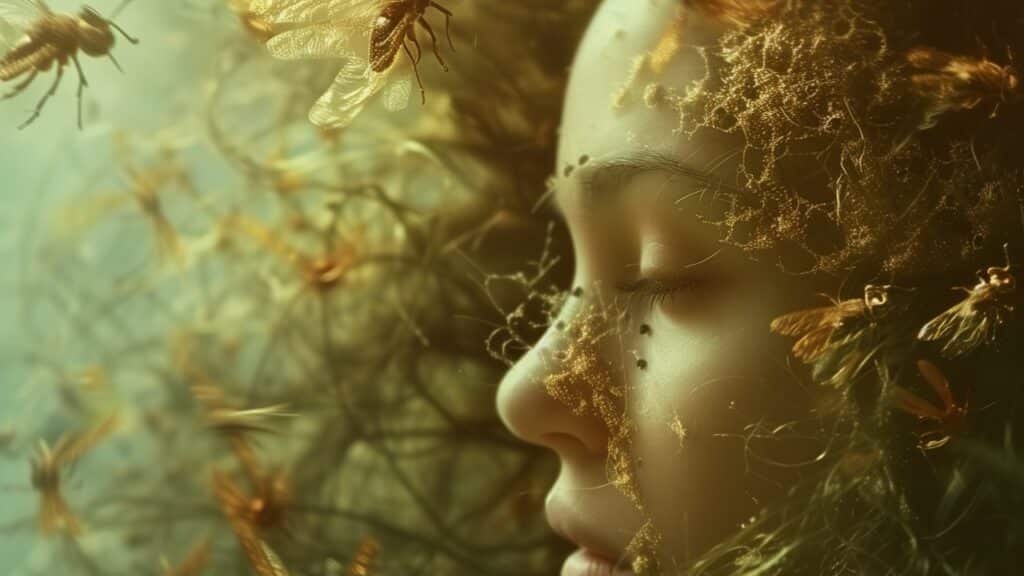
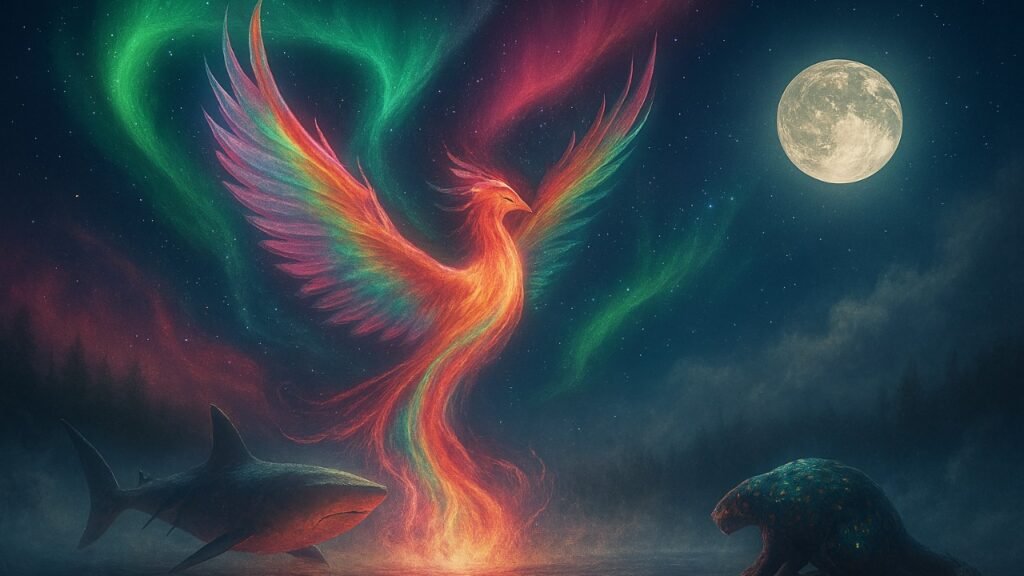
Animal dreams speak in a language older than words , a wild, instinctive truth that rises from the deepest part of us.
They appear gentle or terrifying, the animals carrying messages about our instincts, wounds, our power, and the parts of ourselves we’ve forgotten to listen to.
Each creature that shows up, has its own energy and symbolism, revealing what’s stirring beneath the surface of your waking life.
When an animal visits your dreams, it’s rarely random… and often a nudge from your intuition, asking you to pay attention to something your spirit already knows.
This guide explores what animals tend to symbolize in dreams, from powerful predators to small, unsettling creatures, and how to interpret their meaning without fear or superstition.
Instead of fixed definitions, we’ll focus on patterns, emotion, and context, the parts that actually matter.
How to Interpret Animal Dreams
Animal dreams aren’t usually about the animal itself. They’re more like emotional messengers wearing fur, scales, claws, and/or wings.
Before reaching for a tidy definition, it helps to slow down and notice a few details your dream is already offering.
Animals in dreams don’t have one fixed meaning, they shift depending on your culture, personal experiences, and even what you watched on Netflix last night.
What was the animal actually doing?
Forget the symbolism for a second. Was the animal:
- chasing you or keeping its distance
- protecting something (or you)
- injured, trapped, lurking
- calmly observing, like it knew something you didn’t
Animals in dreams often behave the way a feeling or situation behaves in real life, not the way animals behave in nature.
How did it make you feel?
This part matters more than the animal.
Ask yourself:
- Did you feel scared, oddly calm, annoyed, curious?
- Were you trying to escape — or paying attention?
- Did the animal feel threatening, familiar, or strangely neutral?
The same wolf can represent fear in one dream and confidence in another.
Your emotional reaction is the translation key.
Is this a repeat visitor?
Some animal dreams show up once and move on. Others keep knocking.
- Recurring animal dreams often signal something unresolved or repeatedly triggered.
- One-time dreams may reflect a specific moment, stressor, or realization that’s still settling.
If the animal keeps returning, it’s usually because the message hasn’t fully landed yet.
What’s been going on lately?
Animal dreams tend to surface when life feels:
- unpredictable
- emotionally loud
- transitional
- boundary-testing
These dreams often speak in instinct instead of logic, especially when you’re thinking too much and feeling too little during the day.
Don’t ignore sleep and stress
Here’s the unglamorous truth: exhaustion, anxiety, or broken sleep can turn dream symbolism up to eleven.
When rest is fragmented, animal imagery often becomes sharper, stranger, or harder to shake.
(If you’re curious, this is where sleep cycles and dream science start to matter.)
Animal dreams aren’t warnings or prophecies, they’re reflections, sometimes subtle, sometimes dramatic… of how the mind processes emotion, instinct, and change.
Meaning isn’t fixed, and it can shift with the context, mood, personal experience, and emotions.
In other words: trust the pattern, not the panic.
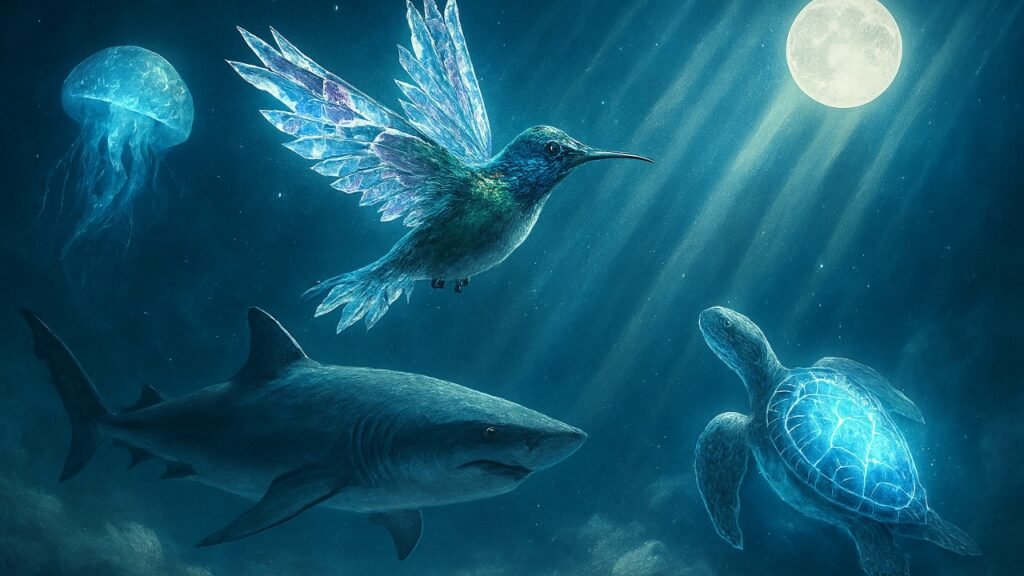
Common Animal Dream Scenarios and What They May Mean
Animal dreams can follow recognizable patterns, and while the specific animal matters… what’s happening in the dream usually matters more.
These common scenarios tend to reflect emotional states or instinctive reactions rather than literal meanings.
Being Chased by an Animal
Dreams where an animal is chasing you often suggest avoidance or emotional pressure in waking life. Something may feel overwhelming or difficult to confront, and the dream reflects the instinct to escape rather than engage.
Animals Attacking You
Dreams of animals attacking you typically point to heightened stress, and/or inner conflict. These dreams often surface when instincts feel at odds with conscious choices, especially during periods of anxiety or emotional overload. Large predators like tigers often represent instinctual power and emotional intensity in dreams.
Animals Watching You
When animals appear calm and observant, the dream may be pointing towards awareness rather than danger. These dreams often reflect intuition or an unacknowledged emotion quietly asking for attention.
Injured or Dying Animals
Dreams involving injured or dying animals can symbolize neglected emotions, weakened instincts, or parts of the self that feel suppressed or exhausted. Rather than signaling loss, they often point to vulnerability or the need for emotional care.
Friendly or Protective Animals
When an animal feels friendly, guiding, wise, protective – the dream may reflect inner resilience or a growing sense of emotional safety. Make no doubt about it, these dreams often appear during periods of healing, or personal growth.
Animal dream scenarios don’t exist in isolation.
The meaning becomes clearer when you consider how the animal behaves, how you feel in the dream, and what’s currently happening to you in your waking life.
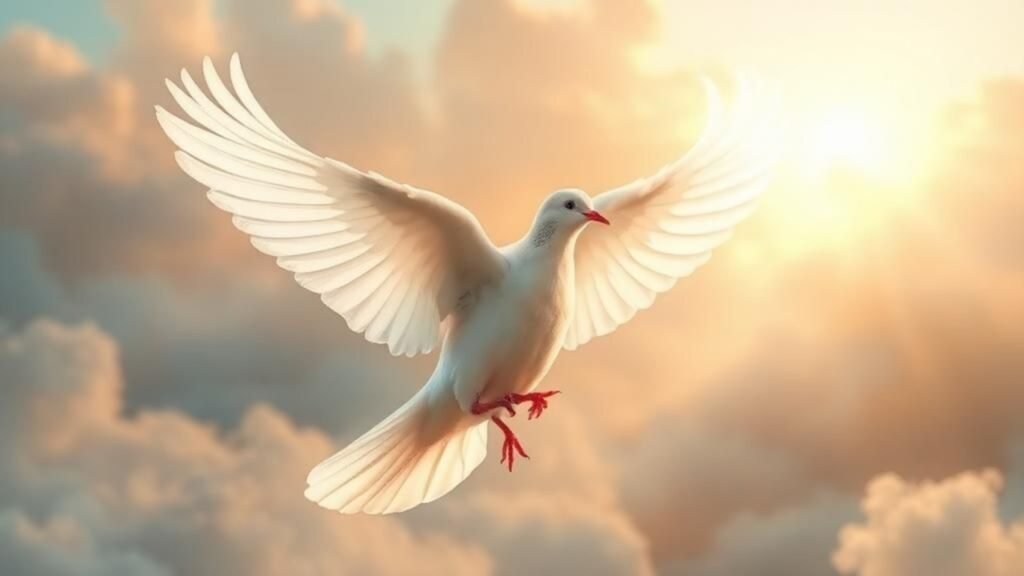
Emotional Context Matters More Than the Animal
It’s tempting to focus on the animal itself , the species, the symbolism, the cultural meaning but in dream interpretation, emotion usually speaks louder than imagery.
The same animal can carry very different meanings depending on how it makes you feel in the dream.
A wolf that feels threatening may give off fear or pressure, while a wolf that feels calm or familiar might symbolize confidence or belonging.
A snake can represent danger in one dream and transformation in another. What changes isn’t the symbol, it’s your emotional state.
Pay attention to:
- whether you felt afraid, calm, curious, or empowered
- how your body reacted in the dream
- whether the emotion lingered after waking
These emotional cues often point more clearly to what the dream is processing than any single definition ever could.
Dreams don’t aim for precision. They speak in felt experience, using animals as shorthand for instinct. and inner response.
When interpretation feels confusing, returning to how the dream made you feel is often the most reliable place to start.
What Do Animals Symbolize in Dreams?
Animals in dreams can symbolize our instincts, and hidden aspects of the self.
They act as messengers from the subconscious, carrying meanings that reflect our inner drives, hopes, fears, and desires..
Across cultures, animals in dreams are seen as powerful symbols because they embody traits we instinctively recognize, for example… a lion may represent courage and dominance, while a rabbit can symbolize fertility or timidity.
These dream animals often mirror parts of our personality…qualities we admire, or suppress.
In this way, animals become archetypes of human behavior, offering insight into how we navigate problems or relationships.
Dreaming of a predator may point towards ambition or aggression, while gentler creatures could point to nurturing instincts or vulnerability.
At a deeper level, animals in dreams can serve as guides or warnings.
They may reveal aspects of ourselves we find hard to control, such as primal urges or unresolved emotions.
Some traditions even view them as spirit animals, offering wisdom or direction when we feel lost.
Our subconscious speaks in symbols, and animals are among its most vivid storytellers.
Predatory & Power Animals
Predatory animals tend to appear in dreams when instincts are heightened and emotional boundaries feel tested. These dreams often surface during periods of stress, power shifts, or situations that require protection, confidence, or assertiveness.
Animals
- Wolf — social instinct, leadership, inner authority
- Bear — strength, protection, suppressed power
- Snake — fear, transformation, emotional alertness
- Lioness — protective strength, confidence, instinct
This theme often reflects moments when personal power or safety feels uncertain.
Small or Unsettling Animals
Smaller or unsettling animals often appear in dreams when stress is subtle but persistent. Rather than representing danger, these symbols tend to reflect irritation, anxiety, or mental clutter that’s difficult to ignore.
Animals
- Spider — anxiety, entanglement, feeling watched
- Cockroach — avoidance, emotional clutter, resilience
- Rats – resilient, adaptive, clever
- Raccoons – resourceful, problem-solvers, hidden wisdom
This theme often reflects low-level stress or emotional overload that hasn’t fully surfaced yet.
Trickster & Adaptive Animals
Trickster animals show up when adaptability matters more than certainty. These dreams often point to problem-solving, flexibility, or navigating unclear boundaries rather than confronting them directly.
Animals
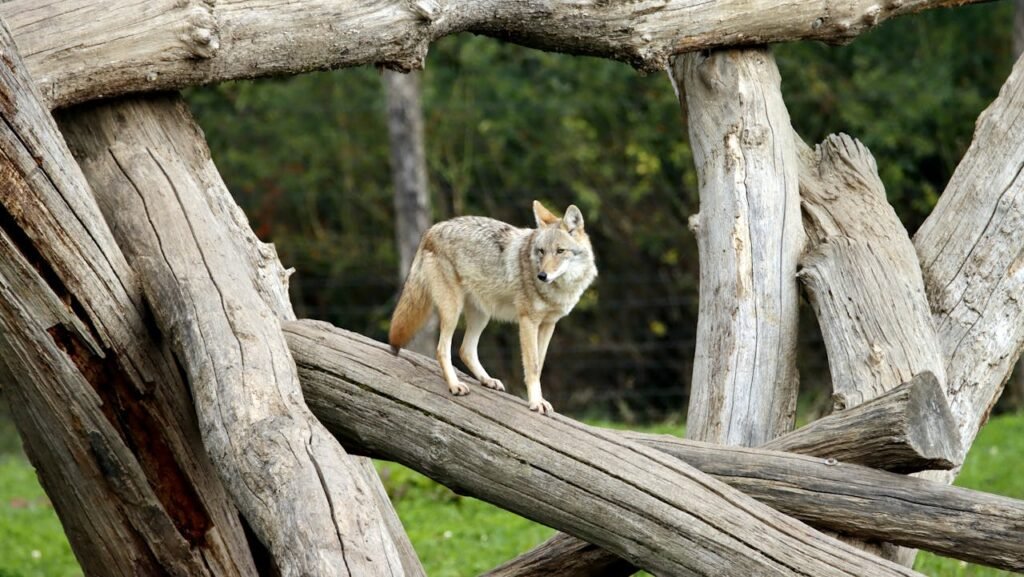
- Coyote — survival instinct, disruption, unconventional wisdom
- Raccoon — resourcefulness, adaptability, hidden strategies
- Jackal -opportunistic intelligence, especially around death, transitions, or scavenging emotional situations
- Raven – problem-solving, hidden knowledge, and outsmarting others
This theme often reflects situations where cleverness or adjustment feels necessary.
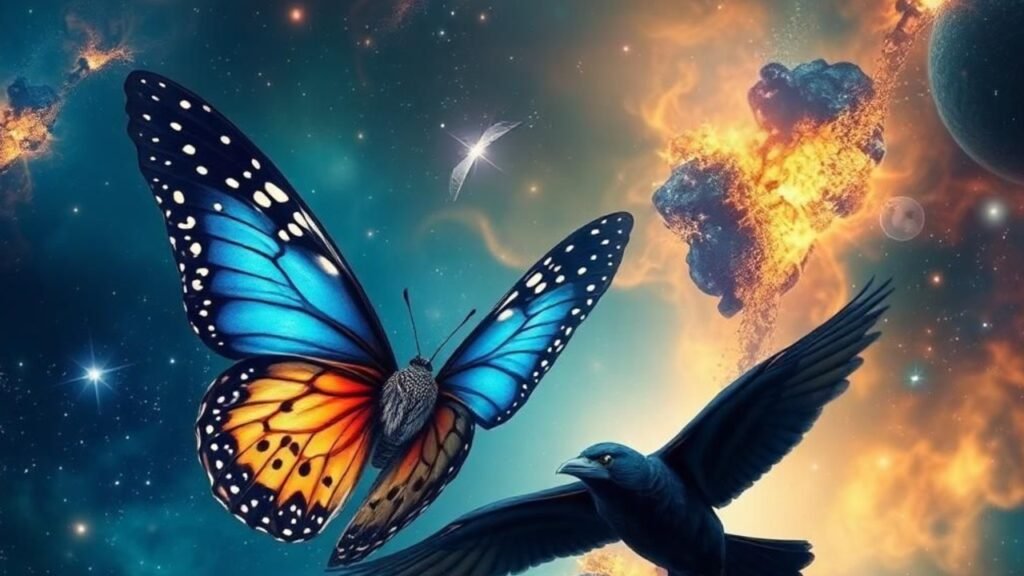
Observing, Watching, or Guiding Animals
Some animal dreams aren’t about action at all. Instead, the animal may be watching, following, or quietly present without engaging. These dreams often point to intuition, heightened awareness, or an internal shift that hasn’t fully reached conscious thought yet
Animals:
- Wolf — instinctual awareness, guidance, social intuition
- Snake — quiet transformation, intuitive alertness
- Bird — perspective, awareness, insight
- Cat — independence, intuition, boundaries
This theme often reflects moments of self-observation, insight, or emotional awareness rather than conflict.
Spiritual Meaning of Animals in Dreams
The spiritual meaning of animals in dreams often reflects instinct, and the quieter wisdom beneath conscious thought.
Rather than symbols of external signs or predictions, animals tend to represent aspects of the self that are intuitive, untamed.
These dreams may surface during periods of emotional change, or spiritual reflection, inviting deeper connection with one’s natural instincts and inner truth.
Predator Dreams
(symbols of instinct, power, transformation)
Predators are the subconscious reminding us we’re still creatures with instincts.
- Wolves. They embody both danger and community. A lone wolf might reflect isolation, while a pack signals group dynamics—family, coworkers, or even social circles.
- Lions. Authority, courage, dominance. A lion attacking could mean you feel threatened by power; a lion resting might suggest you’ve tamed your own inner roar.
- Snakes. Transformation, temptation, hidden threats. Shedding skin is rebirth imagery, while a snake bite can be a wake-up call about toxic influences.
Predators drag us back to the primal core we pretend we’ve outgrown.
Domestic Animal Dreams
(companionship, loyalty, nourishment—symbols of everyday bonds)
These are softer symbols, but no less potent.
- Dogs. Loyalty, companionship, protection. A friendly dog signals trust; a snarling one may echo betrayal.
- Cats. Independence, mystery, sensuality.
- Cows. Nourishment, patience, abundance. A healthy cow grazing is a symbol of stability; a sick cow might warn of depletion.
Domestic animals remind us of everyday bonds and the quiet rhythms of sustenance.
Bird Dreams
(bridging earth and sky, carrying cryptic subconscious “messages”)
Birds bridge earth and sky, often carrying messages.
- Crows. Endings, transformation, mystery.
- Owls. Intuition, wisdom, secrets.
- Doves. Peace, innocence, renewal.
Birds are like cryptic text messages from the subconscious…symbolic, and worth rereading.
Mythical Creature Dreams
(myth-making archetypes of power, purity, rebirth)
Dreams sometimes go full myth-making.
- Dragons. Power, chaos, protection.
- Unicorns. Purity, magic, impossible ideals.
- Phoenixes. Rebirth, resilience, transformation.
These creatures remind us that dreams aren’t bound by biology, they’re folklore stitched into personal longing.
Insect Dreams
- Spiders. Creativity, patience, entrapment. A spider weaving a web might symbolize building something intricate.
- Bees. Community, productivity, sweetness. A swarm can mean overwhelming obligations, but a single bee might suggest cooperation or reward.
- Ants. Hard work, persistence, collective effort. Dreaming of ants could be your subconscious nudging you about teamwork.
- Butterflies. Transformation, fragility, fleeting beauty. A butterfly landing on you might symbolize personal growth or a reminder to embrace impermanence.
- Fleas. Adaptability, can represent hidden fears.
Sea Creature Dreams
- Fish. Fertility, abundance, hidden knowledge.
- Sharks. Fear, aggression, looming threats.
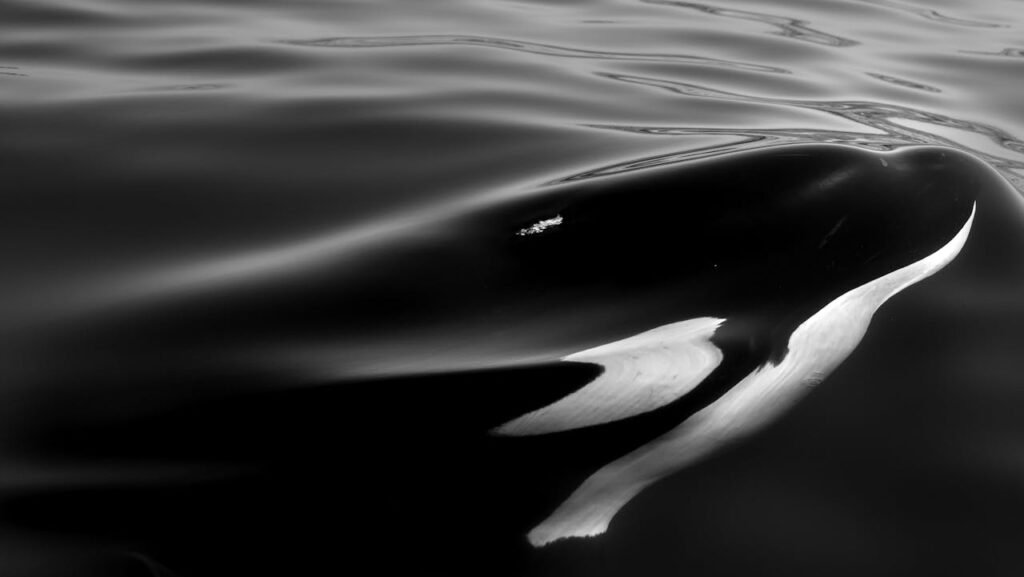
- Whales. Depth, intuition, ancient wisdom.
- Octopus. Complexity, entanglement, adaptability.
- Dolphins. Playfulness, communication, harmony.
- Crabs. intuition, feminine energy, emotional depth.
Reptiles and Amphibian Dreams
Now we get to the creatures that slither, crawl, and leap, often unsettling, but deeply symbolic.
- Lizards. Adaptability, survival, regeneration. Lizards shed tails to escape predators; in dreams. A lizard hiding might reflect avoidance.
- Turtles. Patience, longevity, protection. A turtle carrying its shell is a reminder of self-sufficiency.
- Frogs. Transformation, fertility, transition.
- Crocodiles/Alligators. Hidden danger, primal instincts. These creatures lurk beneath the surface, waiting.
Reptiles and amphibians remind us of the ancient, evolutionary layers of the psyche, cold-blooded, patient, sometimes terrifying, but always transformative.
Animals in dreams often show up during transitional seasons. Moving apartments, switching careers, binge-watching Blue Planet or House of the Dragon, all of it bleeds into subconscious imagery.
Sometimes, the dream is absurd: a frog lecturing you about taxes, or a turtle trying to order coffee.
The brain stitches together symbols from daily life, messy, oddly specific.
Animal Dreams, Stress, and the Nervous System
Animal imagery often becomes more intense when the nervous system is under strain.
During periods of stress, and anxiety, the brain tends to rely more on instinctive imagery rather than abstract thought.
Animals, in this sense, become an efficient language for the subconscious – fast, emotional, and hard to ignore.
When stress levels are high, the nervous system shifts into alert mode.
Dreams during this state are more likely to feature threat-based animals, chase scenarios, or heightened sensory detail.
Even animals that normally feel neutral or symbolic can take on a sharper edge when the body is tired or overstimulated.
Sleep quality also plays a role. Fragmented sleep, irregular sleep cycles, or exhaustion can intensify dream recall and emotional tone.
This is why animal dreams often feel especially vivid during stressful periods, even if the waking situation doesn’t seem dramatic on the surface.
Rather than signaling danger, these dreams usually reflect the body and mind attempting to process pressure and restore balance.
In many cases, animal dreams ease as stress levels stabilize and sleep becomes more consistent.
If you’re curious how sleep, stress, and brain activity shape dream imagery, you can explore this further in our Science of Dreams 101 overview.
Spiritual vs Psychological Meanings of Animal Dreams
Animal dreams are often interpreted through both spiritual and psychological lenses, and the two aren’t as opposed as they’re sometimes made out to be.
While the language differs, both perspectives tend to point toward similar inner themes, instinct, awareness, growth, and emotional truth.
From a psychological standpoint, animals often represent instinctive parts of the self.
They show up when emotions, fears, or desires are operating below conscious awareness.
The dream uses animal imagery because it bypasses logic and speaks directly to feeling and response.
Spiritual interpretations tend to describe animals as symbols of intuition, inner guidance, or personal power.
Rather than external signs or predictions, these meanings usually point inward, emphasizing self-reflection, alignment, and awareness.
In practice, the most useful interpretations often live somewhere in between.
Whether viewed psychologically or spiritually, animal dreams tend to show how you’re responding to life at an instinctive level, not what will happen next.
Personal Anecdotes & Pop Culture
Use the chart below as a starting point: skim the cultural notes. See what might resonate, and then reflect on how those images connect to your own life.
| Animal | Cultural Notes |
|---|---|
| Lions | In Christianity, lions symbolize both Christ’s strength and Satan’s danger; in African traditions, kingship. |
| Snakes | Hinduism views snakes (Nāga) as protectors; Biblical tradition often casts them as deceivers. |
| Dogs | In ancient Egypt, dogs were guardians of the afterlife; in modern culture, “man’s best friend.” |
| Cats | Revered in Egypt as sacred; in medieval Europe, linked to witchcraft and suspicion. |
| Crows | In many cultures, crows are omens of death; in Native traditions, they’re tricksters and teachers. |
| Doves | In Christianity, doves symbolize the Holy Spirit; globally, they’re emblems of peace. |
| Unicorns | Medieval Europe saw unicorns as symbols of Christ’s purity; modern culture romanticizes them as whimsical. |
| Butterflies | In Japanese culture, butterflies symbolize the soul; in Mexico, they’re linked to ancestors (Day of the Dead). |
| Fish | In Christianity, fish symbolize faith; in Chinese culture, prosperity and luck. |
| Sharks | Polynesian traditions see sharks as protectors; Western culture often casts them as predators. |
| Whales | In Native traditions, whales are keepers of history; Biblical Jonah story ties whales to transformation. |
| Octopus | In Japanese folklore, octopi are both protectors and tricksters; modern culture sees them as multitasking symbols. |
| Dolphins | Ancient Greeks saw dolphins as sacred to Apollo; globally, they symbolize harmony and intelligence. |
| Lizards | In Mesoamerican cultures, lizards symbolize renewal; in European folklore, sometimes linked to trickery. |
| Turtles | In Native American myth, the world rests on a turtle’s back; in Chinese culture, turtles symbolize endurance. |
| Crocodiles & Alligators | In ancient Egypt, Sobek (crocodile god) embodied strength and fertility; modern culture sees them as lurking threats. |
Dreams get sticky when they borrow from everyday life.
I’ll give you an example: a friend once told me she dreamed of a raccoon stealing her leftover pizza straight out of the fridge.
Not exactly mystical, right? But she’d been stress‑snacking late at night, and the raccoon became her subconscious mascot for indulgence and guilt.
Sometimes the meaning isn’t cosmic, it’s just your brain remixing last week’s midnight binge.
Pop culture also bleeds into these symbols too. Lions aren’t just predators; they’re The Lion King, Simba’s struggle with identity, Mufasa’s wisdom, Scar’s betrayal.
So when a lion shows up in a dream, it might carry echoes of childhood nostalgia as much as archetypal power.
Owls? Sure, they’re symbols of wisdom, but thanks to Harry Potter, they’re also companions, and magical postmen swooping through the subconscious.
A dream owl might feel less like Athena’s bird and more like Hedwig delivering news you didn’t want to read.
Crows? Archetypally tied to endings and transformation, but if you’ve watched Game of Thrones, they’re also the “three‑eyed raven,” a symbol of foresight and mystical knowledge.
That cultural overlay changes the dream’s flavor making the symbol less doom, more prophecy.
That’s the beauty of animal dreams: they’re not just archetypes, they’re personal mash‑ups of memory, culture, and whatever movie soundtrack is still rattling around in your head.
🎬 Pop Culture Dream Dictionary
- Lions → Archetypal power and courage… but also The Lion King (identity, betrayal, wisdom).
- Owls → Wisdom and intuition… plus Harry Potter’s Hedwig delivering messages from the subconscious.
- Dolphins → Joy, communication, harmony… and echoes of Free Willy or ocean documentaries about freedom.
- Snakes → Transformation and temptation… but also Indiana Jones muttering “Snakes… why’d it have to be snakes?”—pure cinematic fear.
- Crows/Ravens → Endings and prophecy… with a Game of Thrones twist: the three‑eyed raven as foresight and mystical knowledge.
- Whales → Depth and ancient wisdom… yet also Moby Dick, obsession, and chasing the impossible.
What Do We Do With These Dreams…
We don’t decode them like crossword puzzles. Instead, we ask: What part of my life feels wild, instinctual, untamed? What am I trying to protect, or what freedom am I craving?
Animals in dreams are cracked mirrors.
They reflect instincts, fears, desires…sometimes distorted, sometimes exaggerated.
Maybe that’s the point: to remind us that beneath the polished surface of daily life, we’re still creatures ourselves
I won’t tie this up neatly because animals keep prowling, flying, slithering, crawling, swimming, and dreams keep weaving their strange theater.
The best we can do is laugh at the absurdity, cry at the rawness, and remember that even the most unsettling dream is just our mind’s way of saying:
Hey, you’re carrying something primal. Don’t ignore it.
People Also Ask:
What does it mean to have dreams about animals attacking you?
Dreams of animals attacking you typically point to stress, or instinctive emotional responses rather than literal danger. They often appear when the mind feels overwhelmed, threatened, or unable to escape a situation in waking life. And fighting an animal in a dream usually means you’re in a struggle with a powerful part of yourself, something raw that you’ve been trying hard to control.
What does it mean to dream of dead animals?
Dreams of dead animals often symbolize endings, grief, transformation. They may reflect emotional loss, or the closing of a chapter in your life. These dreams are unsettling but carry layered symbolism such as…transformation, loss, suppressed emotions, missed opportunities.
What is the spiritual meaning of wild animals in dreams?
Spiritually, wild animals in dreams are often seen as symbols of, inner truth, and untamed aspects of the self. They may represent parts of your nature that are intuitive, or suppressed, urging awareness, or reconnection with natural instincts…rather than external omens, these dreams typically point inward, reflecting spiritual growth, or a need to honor one’s authentic self.
What does it mean to talk to animals in dreams?
When an animal speaks to you, it’s likely that your intuition giving itself a voice or a message from the part of you that knows the truth before your mind catches up. Your inner voice is trying to break through the noise of daily life, using an animal’s presence to deliver a message you wouldn’t otherwise hear. Sometimes the animal delivers advice, or warnings; other times, the message is more symbolic, pointing to a trait you need to embrace…courage, softness, patience, or freedom.
What does it mean to have dreams about wild animals chasing you?
Dreams of wild animals chasing you usually show up when something inside you feels too big, or too overwhelming to face head-on, and the animal often represents a part of yourself you’ve been running from, anger you don’t want to feel, a truth you don’t want to admit, or a change you’re scared to step into.
What does fighting animals in a dream mean?
These dreams show inner conflict, the tension between who you’ve had to be and who you’re becoming, and the fight for personal power or emotional survival. This one can mean you’re in a struggle with a powerful part of yourself, something instinctive
Looking for a symbol not listed here? Explore our complete A–Z Dream Dictionary for meanings across a wide range of dream symbols.